

Alternatives to Autheo
Autheo is a Layer-0 operating system with an integrated blockchain that unifies identity, compute, storage, and AI for seamless Web2 and Web3.
6 alternatives found
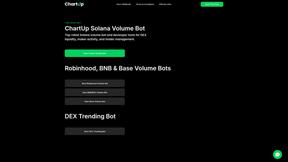
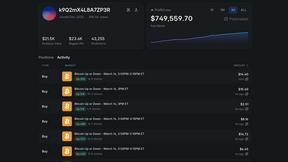
Polymarket Trading Bot For Crypto
This Polymarket trading bot automates high-frequency arbitrage and directional strategies on short-term crypto Up or Down markets with full source.

Bitcoin Loans Market
Bitcoin Loans Market lets you compare every Bitcoin-backed loan side by side with clear APR, custody, and terms to find the right fit.
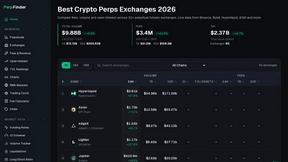
Perpfinder
Perpfinder provides a comprehensive live data overview of crypto perpetual futures, tracking volume, fees, and open interest across 30+ exchanges.
About Autheo Alternatives
Autheo is a Layer-0 operating system that integrates a Layer-1 blockchain to create a unified environment for identity management, compute resources, storage, developer tooling, and artificial intelligence capabilities. It belongs to the broader Blockchain and Crypto category, specifically targeting the intersection of decentralized infrastructure and intelligent web services by offering a single interoperable stack for building and running applications. Users commonly look for alternatives to Autheo due to specific factors such as pricing models that may not align with smaller development budgets, a desire for more specialized features like enhanced privacy protocols or different consensus mechanisms, or platform needs that require integration with existing legacy systems rather than a fully unified OS. Additionally, some users may seek alternatives if the learning curve for Autheo’s combined OS and blockchain architecture proves too steep for their team’s current expertise. When choosing an alternative to Autheo, it is important to evaluate the specific requirements of your project, such as whether you need a fully integrated environment or prefer modular components that can be swapped independently. Key considerations include the level of support for AI workloads, the scalability of the underlying blockchain, the ease of developer onboarding, and the cost structure for compute and storage resources. You should also assess the security track record of any platform, its community support, and how well it handles interoperability with other blockchains or external data sources. Ultimately, the best choice will align with your technical stack, budget constraints, and long-term vision for building decentralized applications.
FAQs about Autheo Alternatives
What is Autheo?
Autheo is a Layer-0 Operating System with an integrated Layer-1 blockchain that creates a unified environment for identity, compute, storage, developer tooling, and AI capabilities. It is designed to serve as the foundation for a connected and intelligent web, allowing applications to run within a single interoperable stack. By combining OS-level functionality with blockchain, Autheo aims to simplify the development and deployment of decentralized and AI-driven applications.
Who is Autheo for?
Autheo is primarily designed for developers, blockchain architects, and organizations building decentralized applications that require integrated AI, identity management, and scalable compute and storage resources. It is also suitable for enterprises looking to unify their digital core infrastructure within a single interoperable environment. The platform caters to users who want to move beyond siloed blockchain solutions toward a more cohesive operating system for the intelligent web.
What are the main features of Autheo?
Autheo offers a unified environment that includes identity management, compute resources, storage, developer tooling, and AI capabilities, all integrated into a Layer-0 OS with a Layer-1 blockchain. Its features are designed to support interoperability, allowing different components to work seamlessly together without the need for external bridging solutions. The platform also emphasizes scalability and the ability to handle complex workloads, making it suitable for building next-generation decentralized applications.
Is Autheo secure?
Autheo is built on a Layer-0 OS architecture with an integrated Layer-1 blockchain, which provides inherent security benefits such as decentralized consensus and cryptographic identity management. The unified environment reduces attack surfaces by minimizing the need for external integrations that could introduce vulnerabilities. However, as with any blockchain platform, security also depends on proper implementation, regular updates, and adherence to best practices by developers building on the system.